



Choosing the right stud dog is one of the most important decisions a breeder will make. The sire contributes half of every puppy’s genetics, and a poor match can lead to health issues and poor temperament in the litter for years to come. Whether it’s your first time breeding or you’re a veteran breeder, this step-by-step guide to choosing a stud dog can help protect your bitch, the puppies, and your reputation as a breeder.
Here is what Australian breeders should check first.
1. Start With Your Goals and Your Bitch
Before you even consider looking at a stud, figure out what you want to get out of your litter. Are you looking for a particular temperament, physical characteristic, or coat colour? Are you looking to balance out a particular trait in your dam?
A good stud should complement your female rather than simply be the most convenient or cheapest option. It’s wise to get an assessment of your female from a vet or an experienced club member — your usual veterinary clinic is a good place to start, since a vet who already knows your dog’s history can flag issues you might miss. Her health and temperament should be taken into account when choosing your stud.
2. Confirm Health Testing, and Ask to See the Paperwork
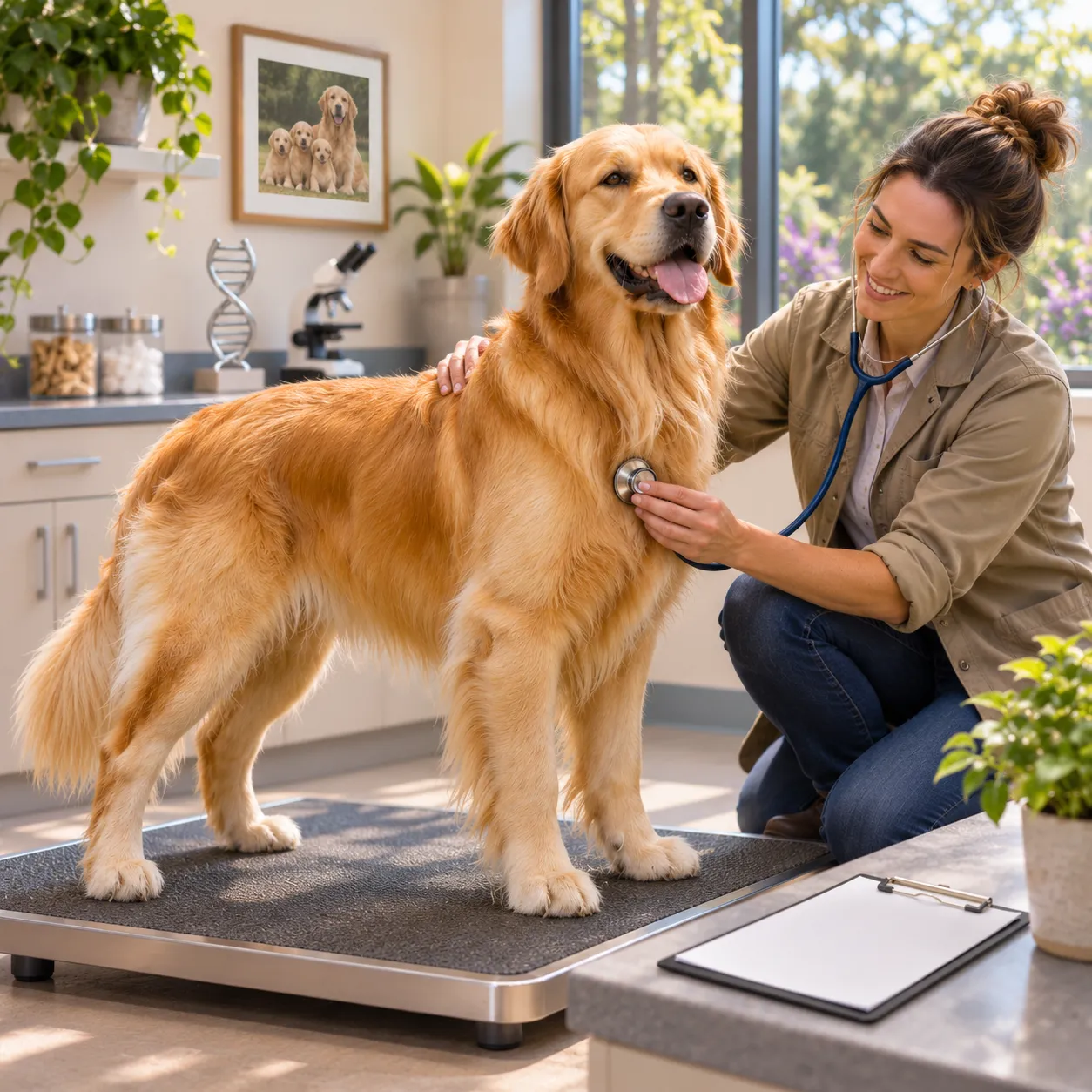
Health testing is the most important filter. It will depend on the breed, but common things you should check for are:
- DNA testing
- Hip and elbow scoring for breeds prone to dysplasia
- Eye examinations
- Patella checks
- Spine and back assessment for breeds like Dachshunds, which are prone to disc disease
- Hearing tests
- Brucellosis screening, which many vets recommend for any dog being used for breeding
Ask for copies of the results and check that they are current and in the dog’s name. A responsible stud owner should be happy to answer any questions and provide documentation.
If you’re looking at different studs, find a listing that states which tests were done rather than relying on one that only says “health tested.” Directories such as the RPBA public stud directory show each stud’s breed, weight, colour, available services and testing details up front. This should make it easier to compare studs and find one that is the right match for you.
3. Look at Temperament, Not Just Looks
A beautiful dog with a poor temperament is not necessarily the best breeding choice. Temperaments are passed down, so a beautiful stud with a nervous or reactive temperament can pass those traits down to your litter of puppies.
If possible, meet the dog in person. Observe how he behaves with strangers, other dogs and in unfamiliar settings. Ask the owner how he behaves at vet visits, in the car and around children. A stable, confident, friendly dog is what you want to see.
4. Check Structure, Size and Breed Type
Compare the stud you see to the breed standard — watch out for mobility, coat, balance, gait and bite. Take note of size, because a mismatch between the sire and dam makes it difficult to mate, and may give the dam a difficult time during birth.
Weight is a useful quick comparison. Listings should state it to give breeders an easier time making an assessment.
5. Understand Colour Genetics Before You Commit
Colour is a bigger deal than many first-time breeders realise. Some colour combinations carry real health risks. Pairing two merle dogs, for example, can produce “double merle” puppies, which puts them at risk for hearing and sight problems.
If either dog is merle, dapple or carries unusual colour genes, confirm each dog’s genetic colour profile through DNA testing before making a decision. Don’t rely on appearance alone.
6. Review the Pedigree and Genetic Diversity
A pedigree should tell you about the dog’s ancestry, and with this information you can find out if there is any relationship at all between your dam and the stud. Inbreeding can increase the risk of disease and health issues, so it’s important to make sure your dogs have no shared ancestry.
7. Check Fertility and Breeding Experience
A proven stud with a history of healthy litters is usually a better choice, but young, untested males can still be good choices and are likely cheaper. Ask about:
- How many litters he has sired, and the average litter size
- Any fertility testing or semen evaluation
- Whether he can mate naturally or needs assistance
- Which services he offers: natural mating, fresh or chilled semen, frozen semen or artificial insemination
If it’s difficult to access your desired stud, artificial insemination can make this situation workable. Talk to your vet about how to handle frozen semen and get help from a specialist on how to handle and impregnate your dam.
8. Get the Stud Agreement in Writing
A written agreement protects both parties. It should cover:
- The stud fee, or an alternative arrangement such as a pick of the litter
- What happens if the mating doesn’t result in puppies, such as a repeat service
- Where and when mating will take place, and who covers travel and boarding costs
- Responsibility for health checks, vaccinations and transport
- Registration and paperwork for the resulting litter
9. Verify the Stud Owner as Well as the Dog
Look for a breeder who is transparent, answers questions openly and follows a recognised code of ethics. Ask whether they hold a current membership with a reputable breeder organisation, and confirm it. Be wary of anyone who is vague about test results, pushes you to commit quickly or avoids meeting in person.
10. Time It Right
Work with your vet to track your bitch’s cycle and get progesterone testing to find out where she is in her cycle, so that mating can happen at the best possible moment. Factor in time for travel, semen shipping and vet appointments. Costs here can add up quickly, so it’s worth weighing them alongside the broader cost of owning and caring for a dog, including insurance, before committing to a breeding program.
A Quick Checklist
Before you commit to a stud, make sure you can answer yes to the following:
- Are his health test results current, relevant to the breed and verified?
- Is his temperament stable and well suited to your bitch?
- Do structure, size and colour genetics make sense for this pairing?
- Have you reviewed the pedigree for diversity?
- Is the stud proven or fertility checked?
- Do you have a clear written agreement?
- Is the owner open, ethical and easy to verify?
Trivia: Did You Know?
- A litter can have more than one father. Dogs are capable of superfecundation — if a bitch mates with more than one male during the same cycle, puppies in a single litter can have different sires. This is one reason reputable breeders supervise matings closely and limit access to one stud.
- Progesterone testing was a game-changer for timing. Before blood progesterone testing became routine, many “failed” matings were really just mistimed ones — ovulation timing varies far more between individual bitches than breeders once assumed.
- The merle gene is unique to dogs (and a few other species) in how visibly it affects coat colour. Double-merle breeding is now restricted or discouraged by most Australian breed clubs specifically because of the hearing and vision risks outlined above.
- Frozen dog semen can remain viable for decades. Properly stored frozen semen has been used successfully in litters conceived more than 20 years after collection, which is why some breeders import or preserve genetics from dogs long after they’ve passed away.
- Pedigree dogs make up a growing share of Australia’s booming pet market, reflecting a wider national trend of households investing more in companion animals, as reflected in recent pet industry trends in Australia.
Frequently Asked Questions
How much should I pay for a stud fee in Australia?
Stud fees vary widely by breed, the dog’s health testing, titles and proven fertility, and typically range from a few hundred dollars to several thousand. Many breeders instead negotiate a “pick of the litter” puppy in place of, or alongside, a cash fee — this should always be specified in the written agreement.
Can I use a stud dog that isn’t registered with a breed club?
You can, but it’s generally not advisable if you intend to register the litter. Most recognised registries require both parents to be registered, and an unregistered stud can limit your ability to register puppies or sell them as pedigreed.
How old should a stud dog be before he’s used for breeding?
Most breed health schemes recommend waiting until a male has reached physical maturity and has passed his key health screenings (hips, elbows, eyes, and breed-specific tests), which is usually somewhere between 12 and 24 months depending on the breed.
What happens if the mating doesn’t result in a pregnancy?
This should be covered in your written stud agreement before mating takes place. Most responsible stud owners offer a repeat service at no extra cost if the first mating doesn’t produce a litter, provided the bitch is confirmed not pregnant by a vet.
Is artificial insemination as effective as natural mating?
When performed correctly by an experienced vet, with fresh, chilled or properly stored frozen semen, artificial insemination can achieve success rates comparable to natural mating. It’s particularly useful when the stud and bitch are located far apart or when natural mating isn’t physically possible.
Do I need to test for brucellosis even if my stud dog seems healthy?
Yes. Brucellosis can be present without obvious symptoms and is a serious, breed-threatening infection that can cause infertility and pregnancy loss. Most reputable Australian breeders and stud owners test for it as standard practice before every mating.
Final Thoughts
Choosing a stud dog takes time, research and honest questions, but the effort pays off when you get healthy, happy puppies. Take your time, insist on proof rather than promises, and lean on your vet and experienced breeders for guidance. If you want to explore verified options, the stud listings from RPBA members are a useful place to begin your search.